A Beginner's Guide to Independent Bookshops in the UK: How to Support Local and Find Hidden Gems

Independent bookshops do not all look alike, and that is the point. One might be a single room with a cat asleep by the till; another is a tall townhouse where the shelves reach the ceiling and the staff have firm views on French translations. What they share is that a real person chose every book on display, and that person is usually standing within earshot.
That is the whole appeal. You are not browsing a warehouse ranked by what sells fastest. You are browsing somebody's taste, in a building, in your own town. Here is how to get the most out of it.
Why the local shop is worth the extra ten minutes
An independent bookshop usually cannot beat a supermarket on price for the obvious bestsellers. It can beat almost anyone on usefulness. Staff tend to read widely and remember faces, which means the recommendation you get on a second visit will be better than the one you got on your first.
They are also good at the things online retailers are bad at. Holding a copy behind the counter. Finding a sequel in a series nobody stocks. Telling you honestly that the book you are holding is not as good as the author's earlier one. If you want a flavour of what is out there nationally, names like Mr B's Emporium in Bath, Topping & Company in Bath and Ely, Barter Books in Alnwick and The Book Hive in Norwich are well known for a reason — but the shop two streets away is the one you can walk into on a wet Tuesday.
If you cannot visit in person, Bookshop.org and book tokens both let you put money towards independents rather than a large retailer. Worth knowing, though nothing replaces the shop itself.
Getting a recommendation that actually lands
Booksellers are not mind readers, and vague requests get vague answers. The trick is to give them two or three hooks to work with.
What to say at the counter
- Name a book you loved and why. "I liked Piranesi because it was strange but warm" gives far more than "I like fantasy".
- Name something you disliked. A no-go list is genuinely useful. "Nothing with a lot of violence, and I bounce off anything over 600 pages."
- Describe the mood you want. Comforting, unsettling, funny, short enough for a train commute.
- Ask what they have been recommending lately. This gets you the book the staff are genuinely enthusiastic about, not the one with the biggest poster.
- Mention your budget. Nothing embarrassing about it — they will point you at paperbacks.
You are not obliged to buy the first thing offered. Say "tell me about the second one" and watch the conversation improve. And if you finish a recommendation and hated it, go back and say so. Honest feedback is how the next suggestion gets better.
Ordering unusual and out-of-print titles
This is the part most people do not realise is possible. If a book is in print and has an ISBN, an independent shop can almost always order it from a wholesaler or direct from the publisher. It usually takes a few days, and many shops will ring or email you when it arrives.
A few things worth knowing:
- Ask, don't assume. Even a small shop can often get a niche academic title or a novel from a tiny press.
- Bring the details. Author, title, publisher, ISBN. A photo of the cover helps enormously.
- Expect a deposit sometimes on expensive or special orders, which is reasonable on both sides.
- For out-of-print books, ask them to try secondhand networks, or look for a reissue. Some shops specialise in secondhand and antiquarian stock and enjoy the hunt.
- Be patient with small presses. A poetry pamphlet from a two-person publisher may take a fortnight.
Ordering through the shop rather than online costs you nothing extra in most cases, and keeps the sale in your high street.
Events: the easy way in
Most independent bookshops run something: author readings, crime nights, poetry open mics, book groups, signed-copy signings, proof giveaways. They are usually small, which is exactly why they are good.
Sign up to the newsletter or follow the shop's social media — that is where events are announced, often only a few weeks ahead. Turn up early, buy the book being discussed if you can, and ask one question during the Q&A. That is the entire social contract, and nobody will expect more. If a big-name author event is sold out, ask about the waiting list; people do drop out.
Book groups are the lowest-effort option. Most are free, most are relaxed about you missing a month, and you will read things you would never have picked up yourself.
Five habits that make a difference
- Buy one book a month from an independent instead of an online retailer. Small, repeatable, and it adds up.
- Keep a running "want list" on your phone so you can order something specific when you visit.
- Ask one question every time you are at the till.
- Buy book tokens as presents rather than vouchers for a chain.
- Tell a friend which shop recommended what. Word of mouth is most of an independent's marketing.
Start with one shop this weekend
Pick the nearest independent and go without a plan. Give yourself half an hour, take a note of two recommendations, and buy one of them. Opening hours are often shorter than chain stores — many close on Mondays or shut at five — so check before you travel.
Then go back. Independent bookshops reward return visits more than almost any other kind of shop: the second conversation is better than the first, and by the third you will have a bookseller who knows your shelf at home and can spot something for you before you know you want it. That is a service no algorithm has managed yet.
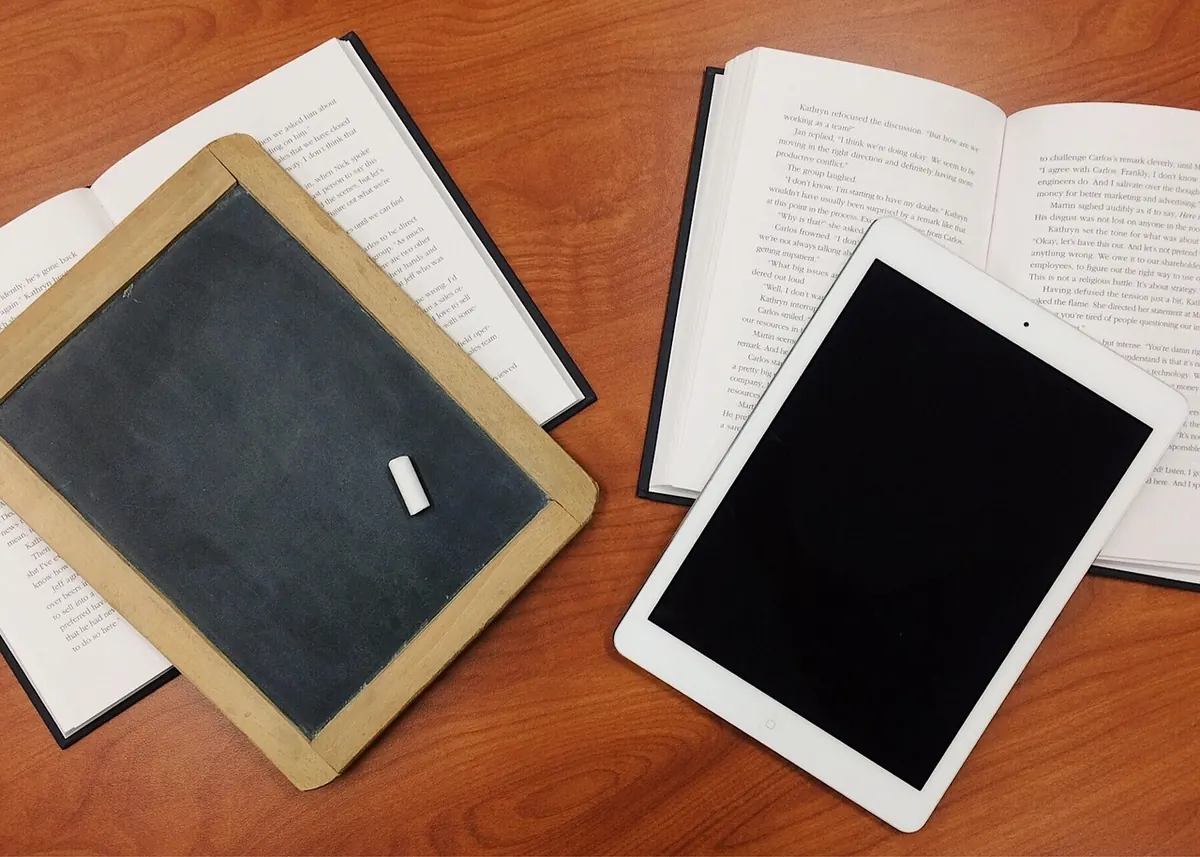
Photo: NoName_13 / Pixabay