Hardback vs. Paperback vs. E-book: A Cost and Comfort Comparison for UK Readers
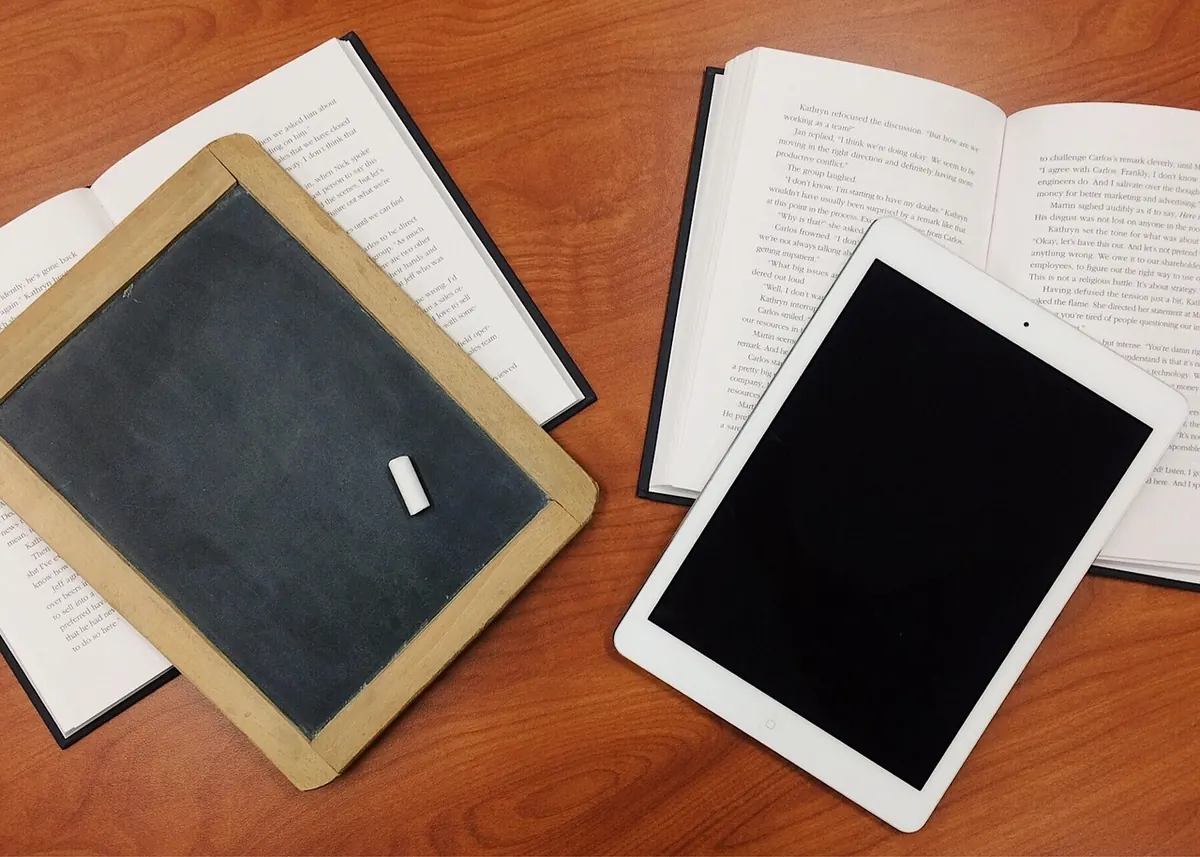
There is a particular moment in a bookshop when the decision stops being about the book and becomes about the format. The same novel sits on the table as a glossy hardback and a smaller paperback, while a sample of it is already waiting on your phone. Three versions, three prices, three quite different reading experiences. None of them is the right answer — but the choice affects your wallet, your shoulder bag, your shelves and, in a modest way, the planet.
What follows is a straight comparison for UK readers, with a few practical tests you can apply the next time you are standing in front of the display table.
Cost: where the money actually goes
Hardbacks cost more because they are made to last and published first. You are paying for the earlier release date as much as the materials: thicker paper, a sewn binding in many cases, and a jacket designed to look good face-out on a table. If you want to read a book while everyone is talking about it, that premium is the price of the conversation.
Paperbacks arrive later — often six months to a year after the hardback — and the lower price reflects a cheaper production process rather than a lesser book. For most readers, the paperback is the sensible default: it is the format that gets read on trains, lent to friends and left in a holiday cottage without much anxiety.
E-books are frequently the cheapest way to buy a new title, but not reliably so. Publishers sometimes price a digital edition close to a discounted paperback, and supermarket or online deals can undercut both. It is worth checking the price of all three before you commit, particularly with a book you are buying purely to read once.
Then there is the second-hand market, which is where the real savings live. Charity shops, library sales and online second-hand sellers mean a paperback can cost less than a coffee. Hardbacks hold their value better if you resell them later; e-books generally cannot be resold or passed on at all, which is a genuine cost even when the initial price looks attractive.
Comfort: what your hands and eyes prefer
A hardback is the most pleasant format to read at a table and the least pleasant to read on a crowded commuter train. Larger type and generous margins help, but a six-hundred-page hardback is heavy, and holding one up in bed quickly becomes a wrist workout. A cushion, a book stand or a propped-up reading position solves it; a shoulder bag does not.
Paperbacks win on portability. They fold into a coat pocket, tolerate being shoved into a rucksack and can be held one-handed while you stir a saucepan. The trade-offs are tighter bindings, smaller type in longer books, and the way a stiff spine refuses to stay open until you have cracked it — which many of us dislike doing to a book we own.
E-readers and reading apps offer adjustable font size, adjustable line spacing and a built-in light, which matters if you read in bed next to someone who is trying to sleep. E-ink screens are easier on the eyes over long sessions than a brightly lit phone or tablet, and searching, highlighting and looking up a word are far quicker. Against that: e-readers run out of battery, and a device that needs charging is a device you cannot read on a dead train.
Storage: shelves, boxes and hard drives
Physical books are a decorating decision as much as a storage one. A wall of paperbacks is a pleasure to look at and a nuisance to move; a hardback collection is heavier still, and nobody enjoys packing eighty boxes of books for a house move. Paper also dislikes damp, direct sunlight and long spells in a loft.
Digital libraries take up no floor space, travel with you and never go missing in a move. The catch is that your library lives inside someone else's system. Accounts can be closed, devices fail and formats change, so it is worth being realistic about how attached you are to keeping permanent access to what you buy. Most UK public libraries now lend e-books and audiobooks through apps, which is a low-risk way to test whether a digital reading habit suits you.
Sustainability: paper, pixels and second-hand
The honest answer is that it depends on how much you read. A paperback printed on recycled or responsibly sourced paper, read several times and then passed on, has a small footprint. A brand-new hardback bought, read once and left on a shelf has a larger one, because the paper, printing and transport all went into a single reading.
E-readers are the awkward case. Manufacturing a device carries a significant environmental cost, so the benefits only stack up if you keep it for years and read a great many books on it. Buying a new e-reader every couple of years, or reading two novels a year on a tablet you replace regularly, undoes the advantage. Second-hand books, library loans and swapping with friends remain the lowest-impact options of all.
At a glance
- Hardback: earliest release, highest price, best for keeping, heavy to carry, good resale value.
- Paperback: mid-price, arrives later, lightest physical option, easy to lend, little resale value.
- E-book: often cheapest at launch, instantly delivered, adjustable text, no resale or lending, tied to an account.
- Library or second-hand: lowest cost and lowest impact, but you rarely get a new release on the day it lands.
Matching format to the book
A mixed approach usually works best, and it costs less than committing to one format.
Buy the hardback when
You love the author, you want it signed, it is a reference book you will dip into for years, or it is a large illustrated title that simply does not work on a small screen.
Buy the paperback when
You plan to read it once, take it travelling, or lend it to someone who will probably not return it.
Buy the e-book when
You read in bed, you want a long book without the weight, you are travelling light, or you are testing an author before committing to a physical copy.
How to decide in the shop
Pick up the book, open it at a random page and read a paragraph standing up. If your arm aches, that is your answer about the hardback. Check the price of the digital edition on your phone before you reach the till — a gap of a few pounds is worth knowing about, even if you still choose paper.
Then ask the only question that really matters: where will you read this? If the answer is a bath, a beach or a bus, paper is fiddly. If it is a favourite armchair with a lamp, the hardback earns its keep. If it is a dark bedroom at eleven o'clock, the e-reader wins without argument.
Whatever you choose, remember that the book you actually finish is better value than the beautiful edition you never open.
Photo: WOKANDAPIX / Pixabay